


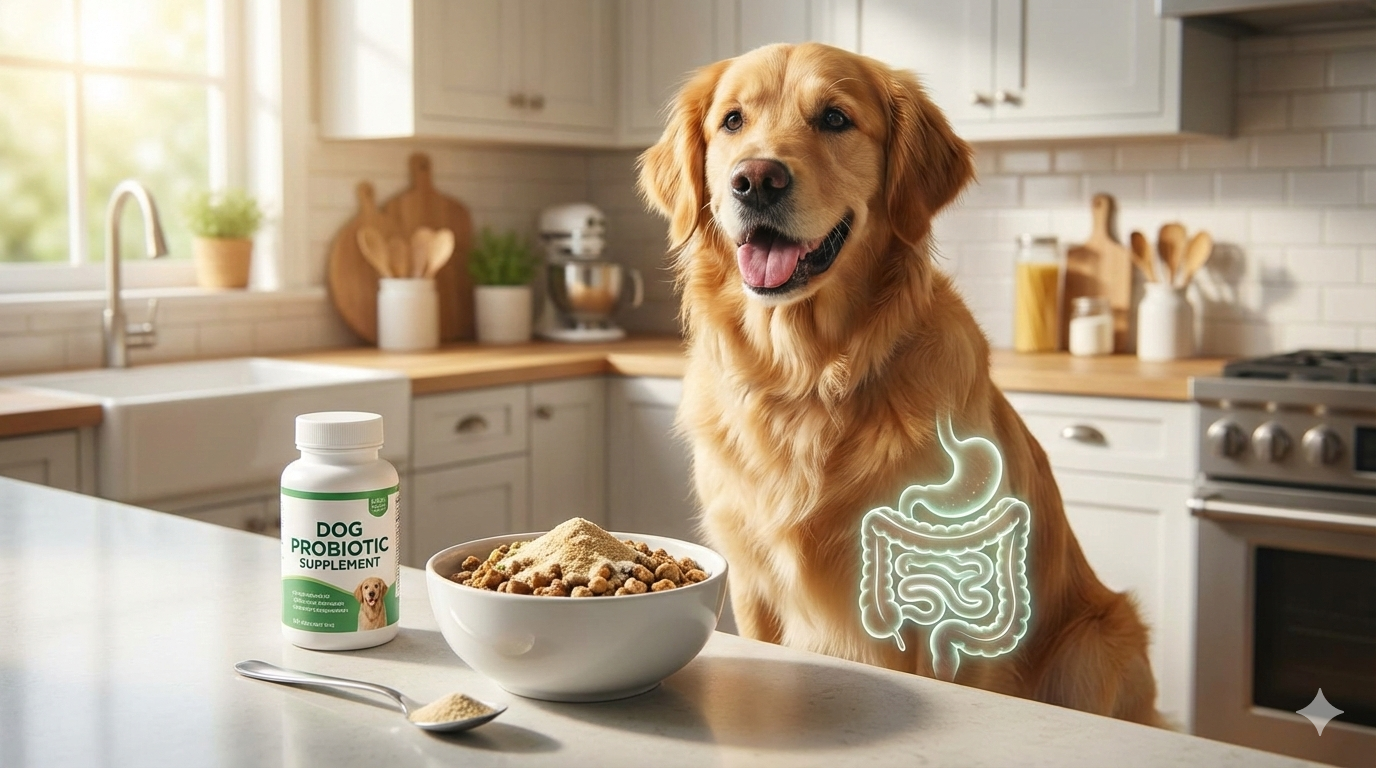
Dog probiotic supplement use is rising as dog owners increasingly seek science-backed ways to support their pets’ health, but not all products deliver the same results. Here’s exactly what you need to know about choosing and using the right probiotic for your dog—in plain language, backed by up-to-date research.
Key Takeaways
- Specific probiotic strains like Saccharomyces boulardii and Bifidobacterium longum are clinically proven to support canine gut, skin, and behavioral health.
- Visible results can appear in as little as 4 to 5 weeks, but benefits and treatment durations differ by condition and chosen strain.
- Dog probiotic supplements are safe for most dogs, but choosing the correct strain, dose, and delivery method is critical—generic supplements often don’t work.
- What Are Dog Probiotic Supplements and Why Should You Care?
- How to Safely Choose and Use a Dog Probiotic Supplement (Step-By-Step)
- Advanced Analysis & Common Pitfalls
- Conclusion
- Frequently Asked Questions
What Are Dog Probiotic Supplements and Why Should You Care?
Dog probiotic supplements are specially formulated products containing live, beneficial bacteria designed to help your dog’s digestive tract maintain a healthy balance. Unlike basic digestive aids, these probiotics target specific health challenges such as chronic digestive issues, skin allergies, obesity, and even behavioral problems. The right dog probiotic supplement can boost your pet’s microbiome, translating to improved stool, fewer skin flare-ups, stronger immunity, and more stable moods.

Recent veterinary studies highlight that results are highly strain-dependent. For instance, S. boulardii has shown substantial benefits for chronic enteropathies (persistent gut problems), while Bifidobacterium longum tackles skin allergies. Not all products work the same—choosing a probiotic with proven strains and the right dosage is crucial. And, while most commercial chews and powders promise broad benefits, actual clinical improvements only follow precise science. For more on underlying mechanisms, read our guide on canine digestion health.
How to Safely Choose and Use a Dog Probiotic Supplement (Step-By-Step)
-
Define your dog’s health goal.
Is it chronic loose stool, itchy skin, anxiety, or weight management? The best probiotic strain depends on the main issue you want to address. For allergy-prone dogs, Bifidobacterium longum (at 5×10¹⁰ CFU/day) is clinically proven (source). For digestive issues, choose S. boulardii or L. acidophilus. Learn how probiotics stack up against other options at our dog gut health supplements overview. -
Check for clinically validated strains and the right dosage on the label.
Ignore vague marketing like “lactic acid bacteria blend” or “digestive enzymes”—dose matters. Look for strain names (Lactiplantibacillus plantarum LP815™, Bifidobacterium lactis IDCC 4301), clearly stated CFUs, and third-party testing. -
Pick a delivery format your dog will accept.
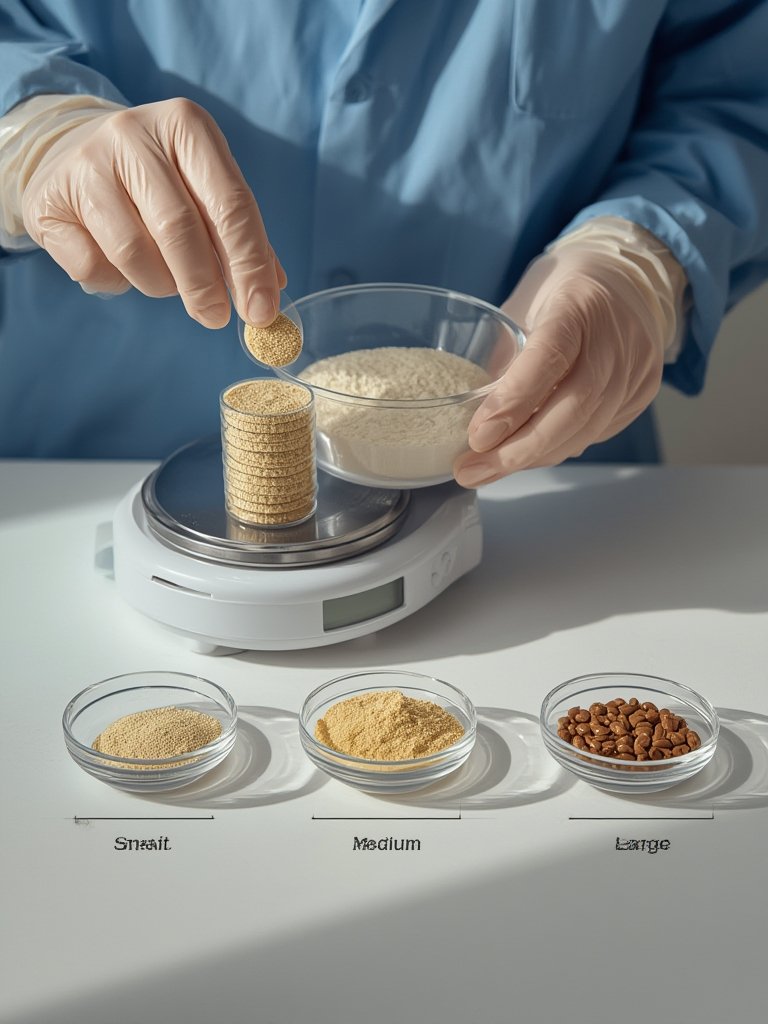
Powders, chews, and capsules all work—but palatability is crucial. Some dogs won’t eat capsules. Mix powder with a favorite food, if needed. See our breakdown of supplement types at best dog probiotic chews. -
Introduce slowly—watch for digestive changes.
Start below the full dose for 3–5 days, building up as tolerated. Some dogs may show mild gassiness initially. Monitor stool quality and energy. Consistency is key. -
Commit to at least 4–5 weeks.
According to recent clinical studies (source), real change shows up between weeks 4 and 5 for both gut and mood symptoms. Don’t quit early. -
Track improvements—and know when to get veterinary help.
Log stool quality, skin condition, and mood changes in a simple notebook or app. If symptoms worsen, or don’t improve after 5 weeks, consult your vet or refer to our when to stop probiotics for dogs reference.
If you want extra support, see our vet-approved dog allergy probiotics list for products using strains from published clinical studies.
Advanced Analysis & Common Pitfalls
Owners often assume any probiotic will help, but clinical data reveals major differences among strains, doses, and supplement quality. Here’s what the analysis and research clarify:
| Pitfall | Reality | How to Avoid |
|---|---|---|
| Choosing blends with unspecified bacteria | Many pet probiotics offer “proprietary blends” without listing specific strains or doses, so efficacy is unlikely or unproven. | Opt for products listing clinical strains and CFUs, such as LP815™ or S. boulardii, matching your dog’s needs. See our dog probiotic brand comparison guide. |
| Discontinuing too soon | Improvements are usually seen after 4–5 weeks; quitting early is the most common reason owners report “no benefit.” | Continue supplementation for at least a month, unless you observe worsening symptoms. |
| Ignoring delivery type | Some delivery formats (e.g., hard capsules) are not easily accepted or digested by some dogs. | Choose a delivery method (chew, powder, or capsule) based on your dog’s preferences and feeding style. |
| Assuming all dogs benefit equally | No supplement is universal. Dogs with extreme gut problems, suppressed immune systems, or intense allergies need tailored veterinary protocols. | Talk to your vet for persistent issues or refer to our dog immunity probiotics reviewed explainer if your dog has complex needs. |
| Not tracking changes | Owners often can’t tell if the supplement is working if they don’t monitor specific symptoms. | Keep a simple record of stool, skin, and energy changes week by week. |
Based on major clinical trials, notable adverse side effects are rare (source), but poor-quality or mislabeled products may be ineffective or upset digestion slightly. Long-term safety for puppies or seniors is not fully known. Owners should always read product labels and match the strain to the intended outcome.

Conclusion
In summary, not all dog probiotic supplements are created equal. The right dog probiotic supplement—chosen for its validated strain, correct delivery form, and clinical backing—can noticeably improve your dog’s digestion, skin resilience, and overall mood within several weeks. For best results, commit to at least a month of daily use, monitor response, and always choose products supported by veterinary research. Ready to support your dog’s health? Explore our updated list of best dog probiotics or consult your veterinarian for advice tailored to your pet’s needs.
Frequently Asked Questions
How fast do dog probiotic supplements work?
Most research shows improvements in digestion, stool quality, and behavior within 4 to 5 weeks when using a clinically studied strain at the right dose. Some dogs show milder changes even faster, but a full month is typical for clear results.
Are dog probiotic supplements safe for all dogs?
Most published clinical trials report a strong safety record, especially for strains like Lactiplantibacillus plantarum LP815™ and S. boulardii. However, there’s less data for puppies, seniors, or dogs with immune-compromising conditions—always consult your vet if unsure.
Which strains should I look for on the label?
Prioritize supplements listing specific strains such as Bifidobacterium longum (for skin/allergy), Saccharomyces boulardii (for gut health), or L. acidophilus (for digestive support). Avoid generic “blend” formulations with no strain IDs.
Can I give my dog human probiotics instead?
Human probiotics are not tested for safety or efficacy in dogs. The canine gut is different, and using human supplements could be ineffective or upset your dog’s digestion. Stick to veterinary-recommended, dog-specific probiotics.
Should I stop probiotics if I see no improvement?
Evaluate after 4–5 weeks on the correct strain and dose. If you see no effect, review your supplement’s strain, try an alternative, or consult your veterinarian for a custom plan—sometimes underlying issues require more targeted therapies.