


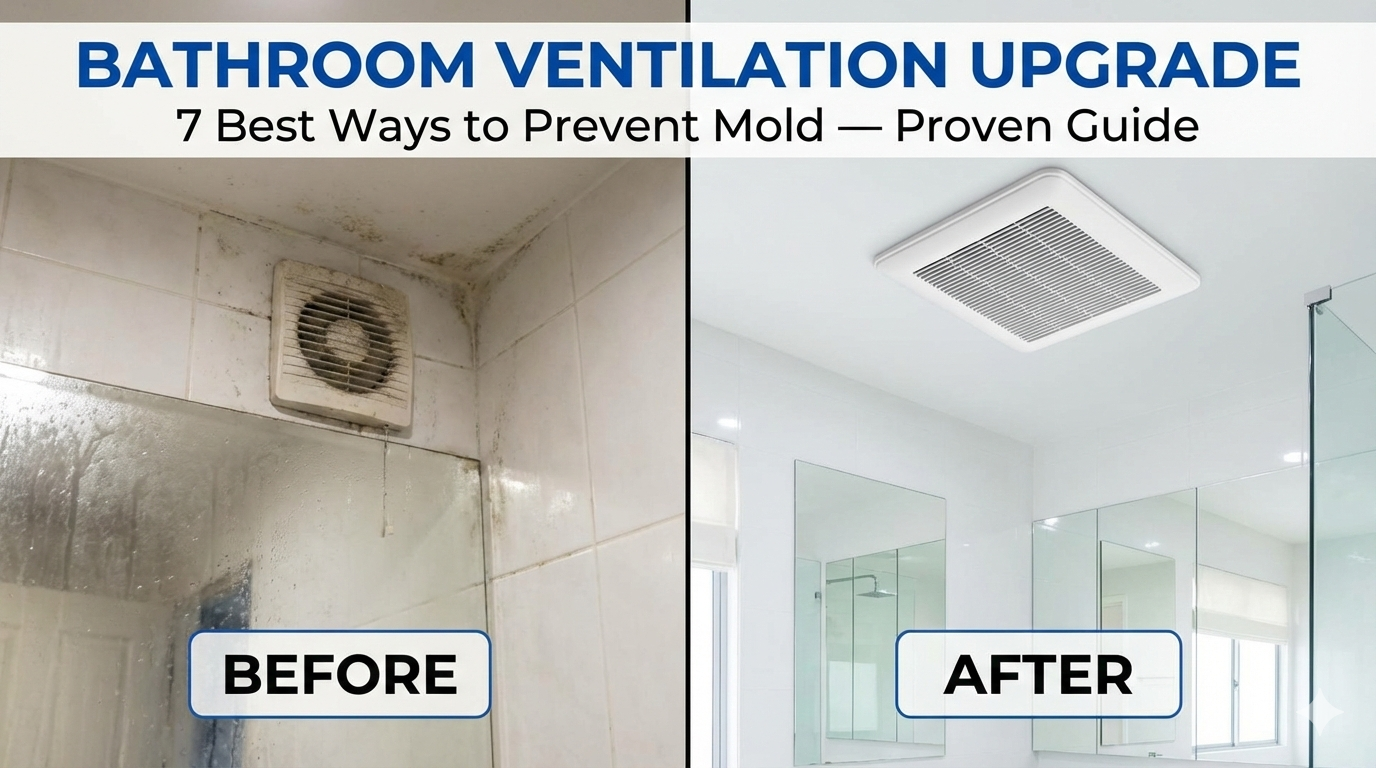
Bathroom ventilation upgrade is not just a cosmetic improvement; it is a health essential. Poor ventilation in bathrooms leads to rampant mold, worsening allergies and long-term property damage. This guide cuts through confusion, showing you why upgrades matter and exactly how to do it right.
Key Takeaways
- Bathrooms rank as the top room for toxic mold growth—upgrading ventilation is the simplest way to prevent it.
- Keeping humidity below 50% using exhaust fans or windows is proven to lower health risks like asthma.
- DIY upgrades are possible, but knowing pitfalls—like wrong fan size or poor placement—prevents wasted money and ongoing issues.
- Understanding Bathroom Ventilation Upgrade
- Step-by-Step Guide: Upgrading Bathroom Ventilation Upgrade
- Advanced Analysis & Common Pitfalls
- Conclusion
- FAQ
Understanding Bathroom Ventilation Upgrades
Mold in bathrooms is everywhere. In 2024, studies showed over 64% of bathroom air tests spotted harmful mold strains. Stachybotrys—also known as “toxic black mold”—is now detected in roughly every sixth bathroom test in the US (Bustmold 2024). The Center for Disease Control and various mold analysis labs agree: two-thirds of Americans report some mold in their home, and 47% of US buildings have a significant mold issue (My Chemical Free House).
This is not just about ugly patches on your caulk line. Mold triggers allergies, worsens asthma, and leads to property damage demanding costly repairs. It’s estimated that up to 4.6 million US asthma cases are linked to mold and dampness exposure (Ridaway 2024).
The most effective mold prevention and air quality improvement for bathrooms is a bathroom ventilation upgrade. Whether via mechanical fans, smart humidity sensors, or simple behavioral changes—upgrading ventilation cuts down moisture, keeping your bathroom safe, fresher, and easier to clean.
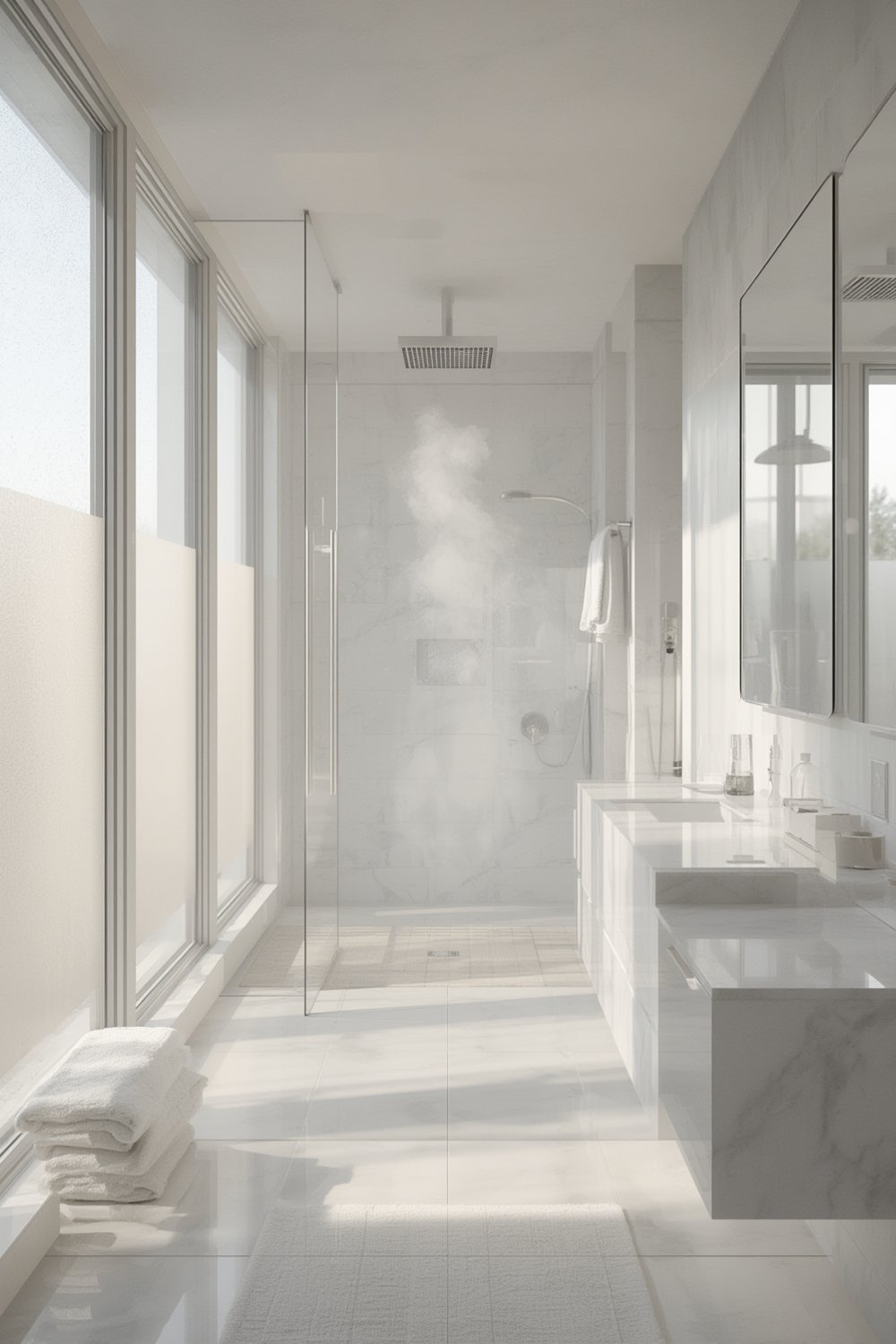
Step-by-Step Guide: Upgrading Bathroom Ventilation
You do not need to gut your entire Bathroom ventilation upgrade. Follow these actionable steps to address typical causes of dampness and mold—whether you own a modern home or a rental unit.
- Assess Your Existing System
- Check if you have an exhaust fan. If yes, is it venting outside or just circulating air?
- Run it after every shower. Does the mirror clear in less than 15 minutes? If not, your system is underpowered.
- Choose the Right Extraction Method
- For major upgrades, prefer ducted fans vented outside. Window fans or opening windows help, but are less reliable—especially in humid climates.
- Choose a fan rated for your space. Bathroom ventilation upgrade fans are rated by CFM (cubic feet per minute)—use at least 50-80 CFM for a standard bathroom.
- DIY or Hire a Pro?
- Installing basic replacement fans is often DIY-friendly. Running new vents, upgrading ductwork, or adding humidity sensors is best left for professionals or advanced DIYers.
- Install Smart Features
- Consider adding an occupancy or humidity sensor to automatically run the fan. This is a huge help for homes with guests or kids who forget the switch.
- Control Humidity
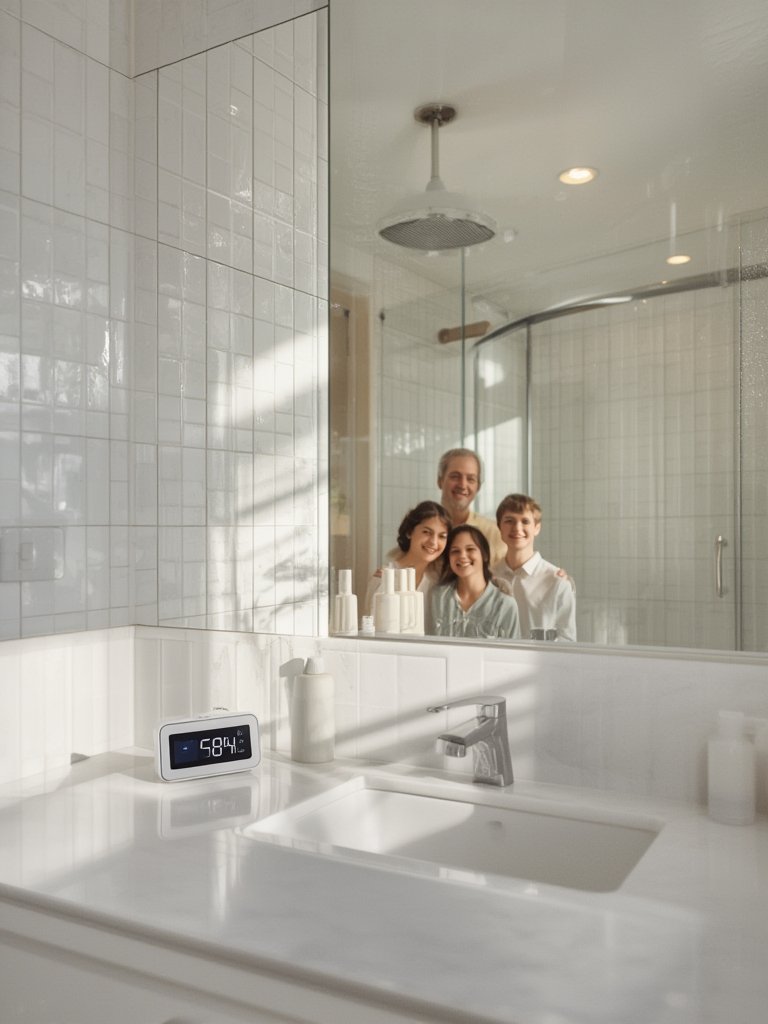
- Use a cheap hygrometer to monitor moisture. Keep humidity under 50%—this is the proven threshold for stopping mold (RealTimeLab).
- If high, use both exhaust fans and keep the bathroom door open after showering.
- Clean & Maintain
- Dust can clog exhaust vents. Clean covers quarterly; vacuum ducts if possible.
- Evaluate for Upgrades Annually
- Older fans are noisy and inefficient. If yours is over 10 years old, it’s probably time for a replacement—modern units are quieter and use far less power.
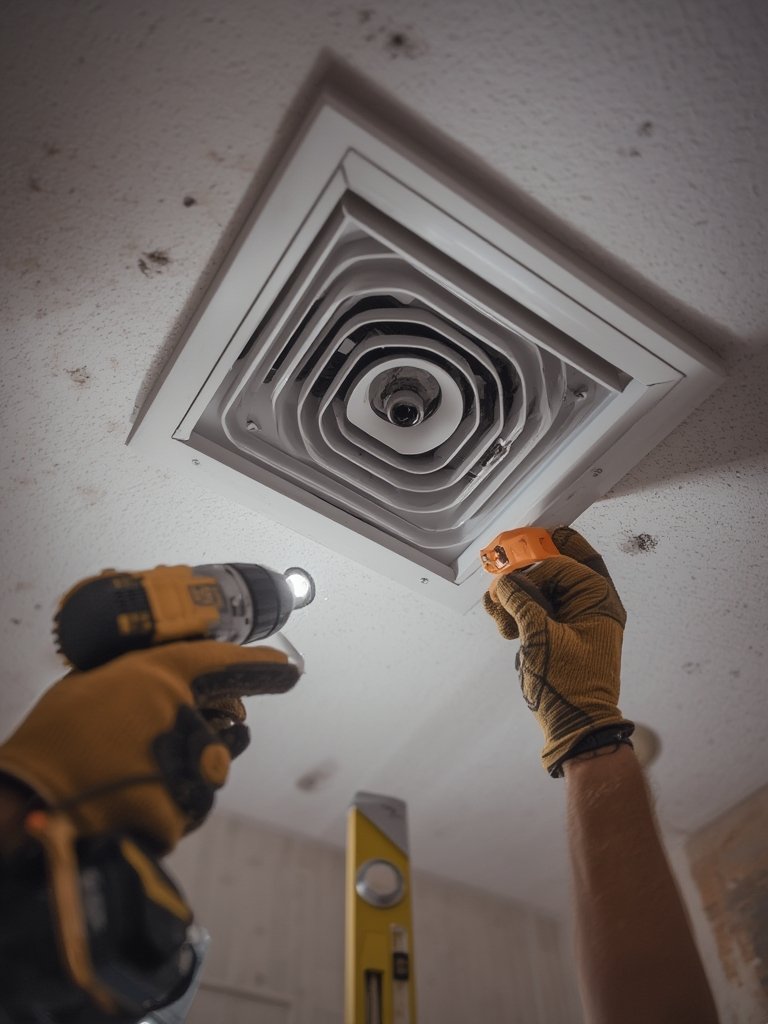
If you’re tackling a full remodel or want a “turnkey” experience, consider integrating your ventilation upgrade with complementary projects. Pairing a bathroom ventilation upgrade with smart lighting—or even a spa bathroom renovation—will keep your new space looking great and feeling healthy. For more inspiration, visit our guides on home renovation, spa-like bathroom design, or get budget tips in our DIY home renovation budget breakdown.
Advanced Analysis & Common Pitfalls
Not all upgrades deliver real results. Many homeowners waste money by skipping technical requirements, installing underpowered fans, or choosing poor locations. Below are the critical issues and how to avoid them.
| Pitfall | Impact | How to Avoid |
|---|---|---|
| Underpowered Fan (Low CFM) | Moisture lingers; mold returns quickly | Calculate your bathroom size and use a fan with at least 1 CFM per square foot |
| No Exterior Venting | Blows damp air into attic or wall cavity—hidden mold grows | Always vent outside—not just into attic or crawlspaces |
| Poor Placement | Steam doesn’t get captured; mirror and fixtures stay wet | Mount fan above shower or near source of steam |
| Ignoring Noise Level (Sones) | Fan is so loud users turn it off prematurely | Choose ultra-quiet models if possible (1.5 sones or less) |
| Not Running Long Enough | Moisture remains; long-term mold risk | Use timer or sensor switches to automate operation |
| Skipping Regular Cleaning | Dust buildup chokes airflow | Clean fan cover and intake at least 3 times per year |
An honest look at complaints from DIYers tells us that older homes with small bathrooms or odd layouts are especially challenging. If you cannot easily vent outside, temporary fixes such as window fans or portable dehumidifiers help—but they will never replace a true, properly ducted fan system for full mold prevention. If you’re considering an even broader upgrade to energy efficiency, our guide to energy efficient home upgrades covers further details on insulation and savings opportunities.
Bathroom ventilation upgrades also make a visible impact on home value and buyer appeal. For those looking at quick, renter-friendly or budget transformations, resources like renter friendly home upgrades and our guide to stylish peel and stick floor tiles provide additional inspiration for low-commitment improvements.
Conclusion
A smart bathroom ventilation upgrade is one of the most practical investments you can make for your home’s health and value. Get the basics right: use a vented exhaust fan sized for your space, automate it when you can, and keep humidity under 50%. Avoid common mistakes and pair your upgrade with smart, modern touches—or combine it with larger projects to get even more out of your renovation spend. Prioritize your family’s health: a proper bathroom ventilation upgrade is not optional, it’s essential. Ready to breathe easier? Start planning your upgrade today.
FAQ
How do I tell if my current bathroom fan is working properly?
If your mirror takes more than 15 minutes to clear after a shower, or if you notice lingering odors or visible condensation on surfaces, your fan is underpowered or not vented correctly.
What is the ideal bathroom humidity level?
Keep humidity consistently below 50%. Use a digital hygrometer to check, especially during and after showers.
Can I do Bathroom ventilation upgrade in a rental?
Yes. Use window fans, portable dehumidifiers, or add a removable vent fan that fits in a window or exhaust opening. For more ideas, see our renter friendly home upgrades guide.
How often should the fan and vent be cleaned?
At least three times per year. Dust buildup reduces airflow dramatically, making even a new fan underperform.
Is a quiet fan really worth the extra cost?
Absolutely. Quiet fans are used more consistently because they’re less disruptive, maximizing the health benefits. Aim for a model rated at 1.5 sones or less if possible.