

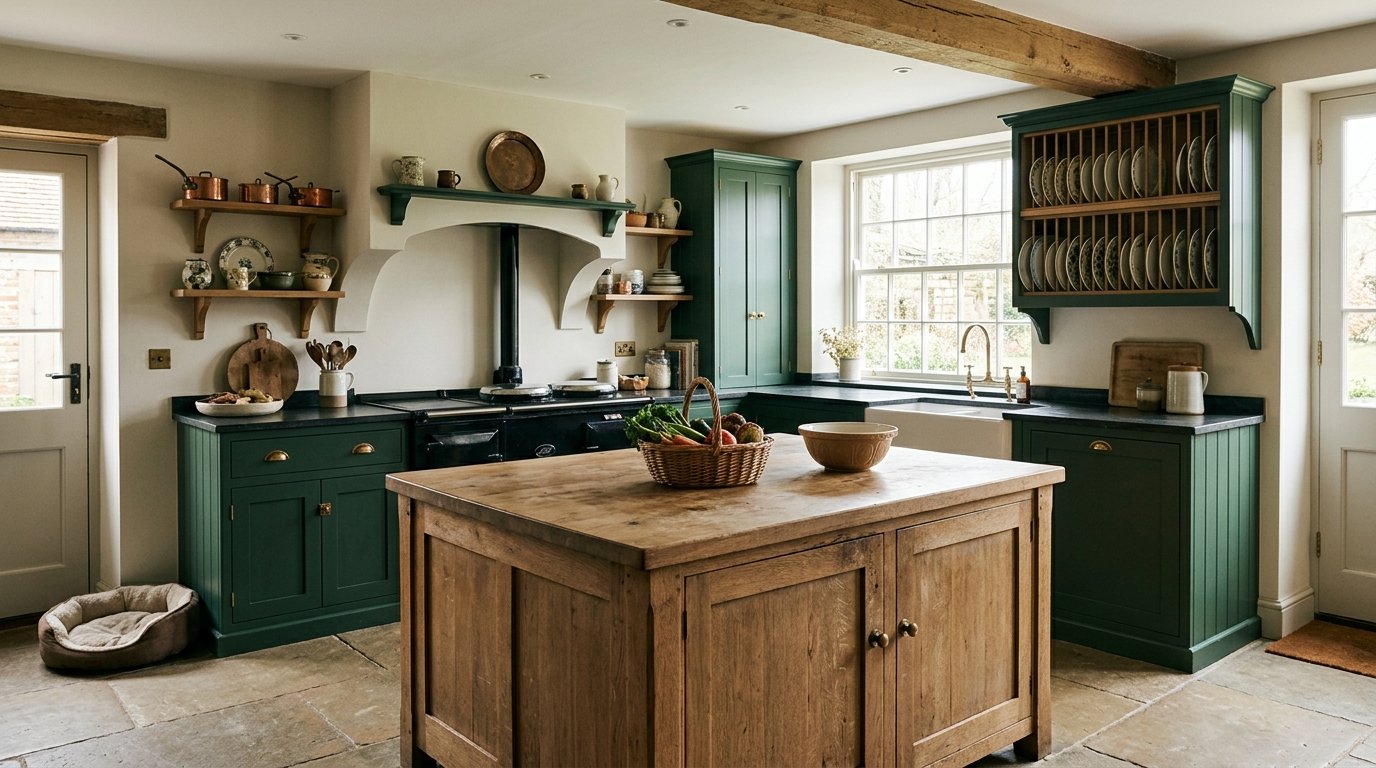
You want a kitchen that feels both inviting and timeless—somewhere between Cotswold manor and real family hub. Getting the English country kitchen style right in 2026 isn’t just about slapping up some sage paint and calling it a day. The trick is mixing craftsmanship, warmth, and longevity, without getting burned by cost overruns or dated design fads.
- Why an English country kitchen still makes sense in 2026 (and where the data leaves gaps)
- Decide what to keep classic and what to modernize: a practical plan before you spend
- Realistic budget map: where most of the money goes (and where you can save)
- Which woods and finishes actually age well in real English country kitchens
- Installation headaches to plan for: plate racks, arched hoods, ventilation and retrofits
- Maintenance, longevity and resale: butcher block vs stone vs composite for a traditional kitchen
Why an English country kitchen still makes sense in 2026 (and where the data leaves gaps)
If you’re eyeing a traditional style kitchen revival, take comfort—you’re in good company. Kitchen design is swinging back to authenticity in 2026: inset cabinetry, plate racks, butcher block, deep green kitchen cabinets, tactile woods, and welcoming, slightly imperfect details are flooding social and design circles. People are sick of sterile, trend-chasing “boho” or brutalist kitchens. Warmth is back.
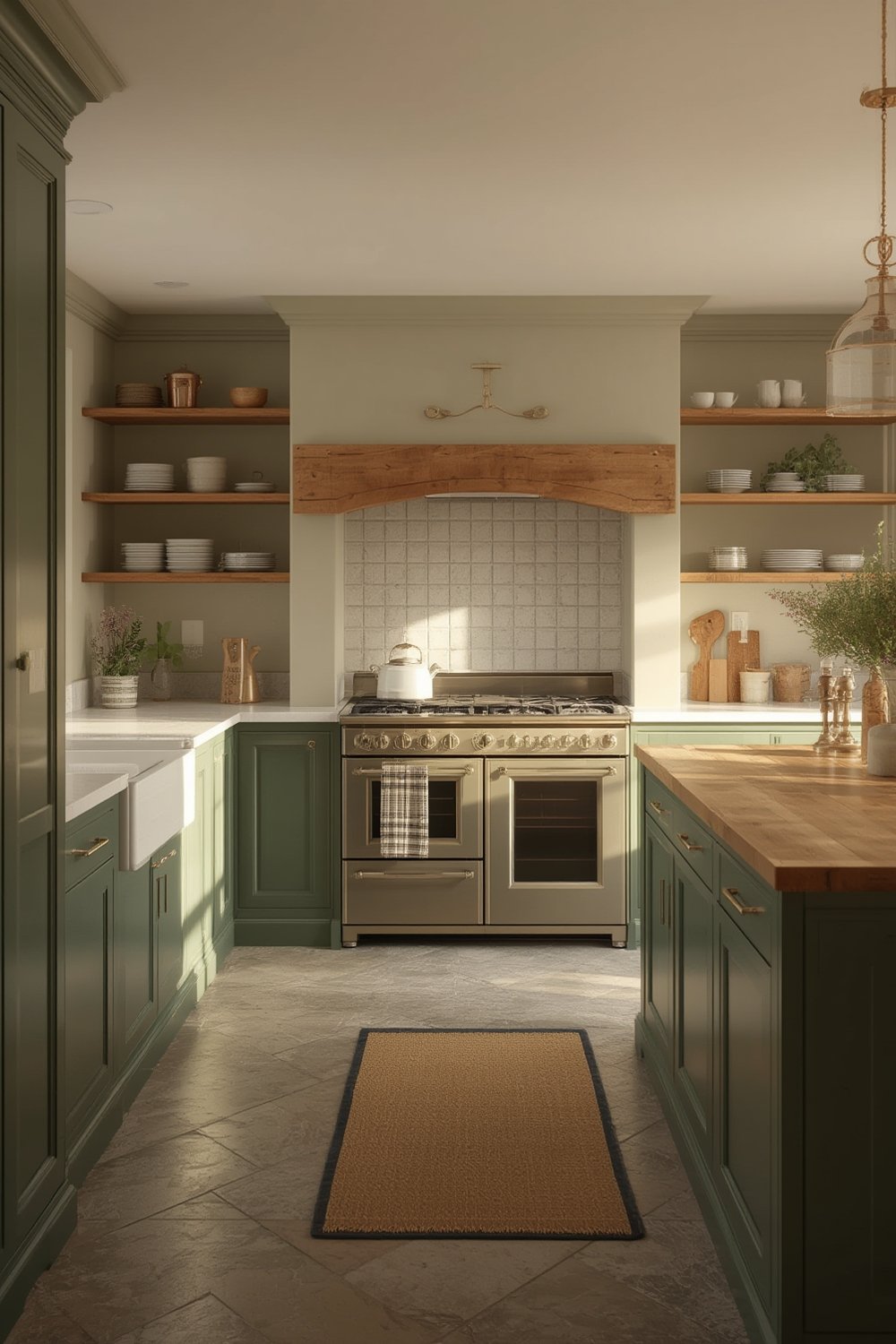
The UK kitchen furniture market reached a staggering USD 6.3 billion in 2026, with a projected CAGR of over 5% through 2031. Most of that growth comes from residential renovations, with young buyers fueling demand for classic, handcrafted features. Interest in home cooking is surging—especially among the 16-34 crowd—which always boosts kitchen spending (UK kitchenware report).
But here’s the honest part: There’s no published data (2024–2026) breaking down demand or resale value for the English country kitchen style specifically, either in the UK or US. Nobody can promise you a guaranteed “X% resale boost” with these choices. Generic kitchen spending and home improvement ROI stats are up, but style-specific numbers simply don’t exist.
So—choose this style if you love it, want a timeless look, and are willing to focus on quality where it counts. Don’t pick it because you expect an automatic resale windfall. For resale, the best posture is to check your local housing comps and see how traditional kitchens perform in similar neighborhoods. Or read more on renovation ROI and contractor tips if you need to weigh broader value.
Decide what to keep classic and what to modernize: a practical plan before you spend
The best English country kitchens strike a balance. Don’t get tempted to cram every period detail into your space—focus on a few standout classics mixed with smart, hidden modern features. Here’s how I help clients (and friends) figure out where to put their money:
Visible Classics Worth the Splurge
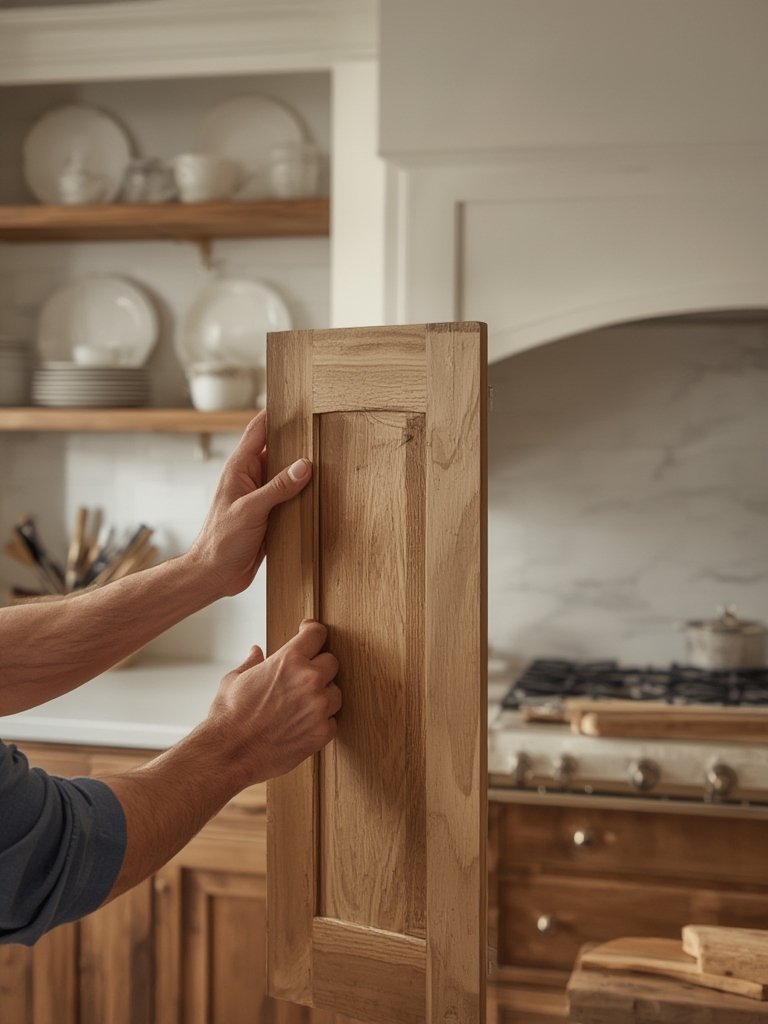
- inset cabinetry kitchen. Real inset doors (set flush with the frame) instantly give a bespoke look. Yes, they’re pricier and trickier to build, but visually, nothing says “not mass-market” like them.
- plate rack kitchen cabinet. Open plate racks above counters or next to the sink are functional and decorative. If you actually use china or displayware, commit fully. You can also buy just one section as a feature.
- arched range hood. This is a true “English country” hallmark. Go for a solid, slightly chunky arch (not a skimpy pre-fab curve). Paint or plaster to match walls, or use a subtle contrasting color.
- Rich wood cabinets or deep green kitchen cabinets. Don’t worry about color trends. Forest, olive, or even navy painted runs, mixed with visible wood (oak, ash, walnut) is still peak English kitchen style in 2026.
- butcher block countertop. Only if you cook and will actually maintain it, not just for the “look”. Otherwise, choose a warm stone or composite as an alternative—more on that below.
Modern Upgrades to Hide (Mostly)
- Fridges & dishwashers: Panel them behind cabinet doors, or tuck into the pantry or a utility wall. Built-in refrigeration is pricey, but feels seamless.
- Ovens & stoves: Many induction cooktops now mimic big old gas ranges but are easier to vent and install. Hide controls or use period-appropriate knobs if you want authenticity up close.
- LED undercabinet strips or smart pendants can be completely invisible. Set them to warm-white for ultimate coziness.
Checklist before hiring anyone:
- Which period details are non-negotiable for you?
- Where can you compromise, using lookalike materials or focusing features on one main wall?
- Agree with your spouse/partner on which appliances must be integrated (and how hidden they’ll be).
- If you want real inset cabinetry kitchen builds, start contractor shopping early—installer shortages are raising prices and adding months to schedules (industry report).
Frequently Missed By Other Guides: Sourcing Authentic Materials, Appliance Integration, and Budget Reality
- Inset Doors & Vintage Hardware: Sourcing true inset doors (not faux overlay) is tricky. Ask for matched veneer runs and proof of prior builds from your cabinetmaker. Hardware should look old, but work new—seek manufacturers with modern performance finishes.
- Modern Tech Behind Tradition: Integrating a concealed extraction hood (especially an arched range hood), built-in fridge, or induction hob in a period kitchen is a planning headache most blogs skip. Staged design can help—tackle cabinetry first, upgrade appliances later if needed.
- Budgeting for What Shows (Not Just What Sells): Most guides ignore the fact that visible woodwork eats budget fast. Mix visible wood runs on main units, with painted sides and PVC for boxes hidden from view. If labor is tight, stage the reno in phases. More on that next.
Realistic budget map: where most of the money goes (and where you can save)
Let’s break this down honestly—no “$15k full kitchen” nonsense. If you want an English country kitchen style (with inset cabinetry and a bespoke arched range hood), your budget for a quality mid-to-upper-range kitchen in 2026 is likely $65,000–$140,000, all in (US/UK averages)—with outsized risk for overages if you don’t plan carefully.
Here’s a modeled cost breakdown (low/mid/high, rounded for clarity): (No definitive national averages exist for these features – this is contractor-informed, not gospel!)
| Element | Low | Mid | High |
|---|---|---|---|
| Inset cabinetry kitchen (custom) | $22,000 | $39,000 | $65,000 |
| Arched range hood build/install | $2,000 | $5,000 | $10,000 |
| Plate rack kitchen cabinet (1-2) | $850 | $1,800 | $5,500 |
| Deep green kitchen cabinets (paint upgrade) | $1,300 | $2,700 | $4,200 |
| Butcher block countertop | $1,600 | $2,500 | $5,000 |
| Labor & install (typ. full kitchen) | $12,000 | $18,000 | $35,000 |
| Appliances (integrated/paneled) | $6,000 | $12,000 | $18,000 |
| Contingency (repairs, delays, code) | $3,500 | $7,000 | $16,000 |
You can tinker with these numbers—swap in more painted or off-the-shelf cabinets for non-show walls, buy open shelf racks as freestanding units, or stage your butcher block countertops (replace later for a fraction of the cost). Choose your “hero wall” for the deepest spend—let IKEA or a clever local shop handle the hidden runs.
Budget tips from the field:
- Get real about labor: Lead times are brutal in 2026 thanks to installer shortages (see market trends), so ask each contractor about workload and completion timing up front.
- Never skip a contingency fund—10-15% minimum, even if your builder says “it’ll be fine”.
- Mix-and-match visible rich wood kitchen cabinets facing out, painted sides on runs facing walls or appliances.
Need more ways to stretch your dollars? My DIY kitchen renovation budget guide has even more tactics for cost control and staging.
Which woods and finishes actually age well in real English country kitchens
I’ve seen more than a few clients regret picking the wrong species or shortcutting finish quality, just because “oak is popular”. Here’s what really works if you want the rich wood kitchen cabinets look, plus minimal headaches down the road:
What Woods to Choose Where
- Solid Oak: Still the go-to for warmth and visible grain, but beware super-knotty or rustic cuts—they can look busy in smaller rooms.
- European Ash: Slightly lighter and takes stain beautifully; works for more modern or blended Anglo-Scandi looks.
- Walnut (veneered or solid): The showstopper for “richness”—don’t overdo, but use on island or main run for contrast.
- Painted poplar, birch, or engineered ply: For deep green kitchen cabinets, these woods hold color and resist warping. Poplar is my personal favorite for smooth painted finishes.
Finish Types, Pros & Cons
- Oil finishes: Deepen grain, easy to touch up, but need more frequent spot maintenance (once or twice a year for high-use doors or butcher block countertop zones).
- Lacquers: More resilient for busy homes, but can be difficult to repair if scratched. Semi-matte keeps that English “soft touch”.
- Conversion varnishes: Super-durable, great for families (sticky fingers, lots of open/close), but request low-VOC formulas (fewer off-gassing issues).
The industry notes a clear market preference for hard-wearing finishes in rental or turnover properties (which tells you all you need to know about durability). If you cook a lot, or just want less babysitting, go for a resilient finish—even if oil looks more “authentic”.
Insider tip: Always get a cabinetmaker’s finish sample with a water glass ring and a pen mark on it, not just a photogenic showroom board. It’s amazing how quickly some “bespoke” finishes show stains or color fade when faced with real-life use.
If you aim for a truly natural feel, go check out wood drenching for walls and ceilings—the trend pairs beautifully with proper English kitchen cabinetry.
Installation headaches to plan for: plate racks, arched hoods, ventilation and retrofits
The devil’s in the details—and in the technical retrofits nobody tells you about. Here’s a real-world checklist both you and your contractor should go over before anyone swings a hammer:
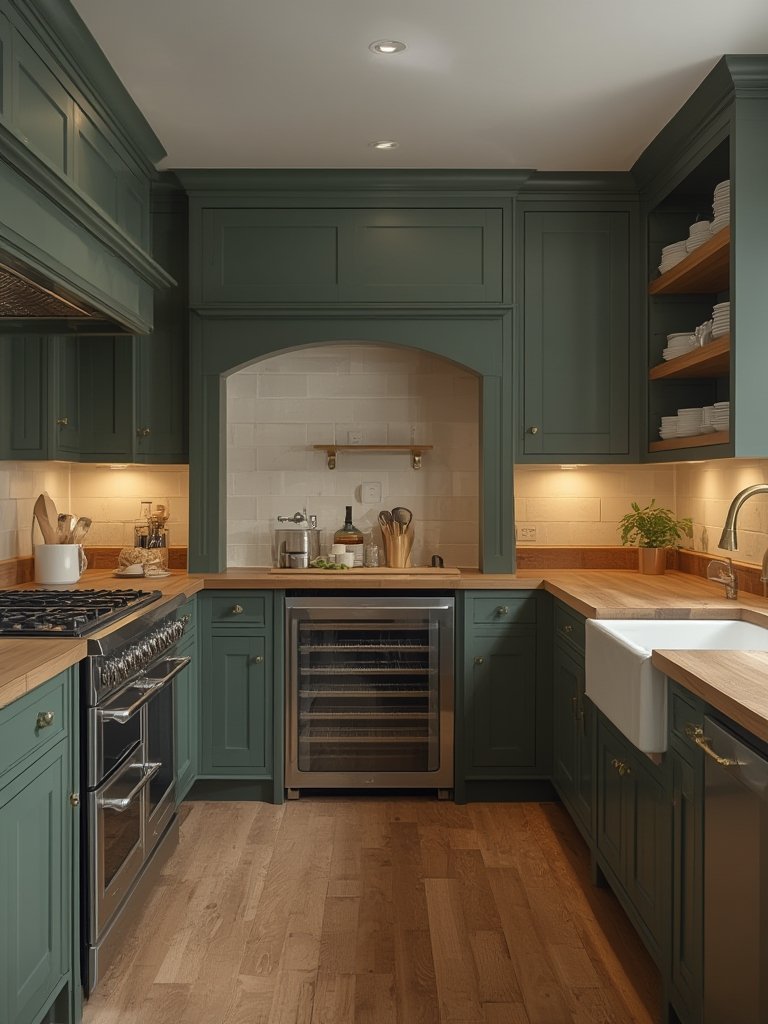
Plate Rack Kitchen Cabinets
- Framing & wall anchoring: Open racks get surprisingly heavy when loaded—wall studs or blocking are non-negotiable.
- Backsplash & splash zone protection: Plan for a full-height tile/stone or sealed plaster behind exposed dishes; even drying plates can send water down the back wall.
Arched Range Hood
- Venting and flue: Confirm proper duct sizing and clearances for your chosen hood insert. A well-built arch is pointless if the vent can’t pull properly. Check your local code for hood height and non-combustible liner requirements—the UK and many US cities are strict about this now.
- Electrics and lighting: Most hidden hoods now come pre-wired, but running cable to an old chimney or solid wall? Budget for an electrician separately.
Modern Appliance Integration
- Panel-ready everything: Order appliances before your cabinetry goes into production, not after. Lead times drift—your arched range hood and panel-ready fridge will not come magically together.
- Built-in ventilation: Concealed venting is a must for period authenticity. If your house lacks a direct duct, factor in the cost (and mess) of creating one, or settle for a filtered recirculating system with frequent filter swaps.
Trade shortages mean you should build extra time into your planning. Add at least 2-4 weeks buffer for labor on traditional elements like inset cabinetry kitchen builds or specialty trim. Always get two or more quotes and ask your prospective contractors for photos of prior English kitchen projects—references count double when skills are specialized.
For more on kitchen project scheduling and coordination, see our complete renovation guide.
Maintenance, longevity and resale: butcher block vs stone vs composite for a traditional kitchen
This is where lifestyle meets reality. If you’re torn between a butcher block countertop and more conventional stone or composite options, here’s what I recommend—no industry fluff:
| Countertop Type | Maintenance | Longevity Range | Resale Perception (2026) |
|---|---|---|---|
| Butcher block | Monthly oiling, sand/repair nicks as needed, wipe spills fast | 10–30 years (heavy users closer to 10–15 without refinishing) | Charming if maintained, divisive if stained or warped |
| Natural stone (quartzite/granite/soapstone) | Seal once every 2–5 years, wipe regularly | 20–50+ years | Strong resale with broad buyer appeal, fits English country style when honed or leathered |
| Engineered composite/quartz | Wipe clean, no sealing, avoid high temps, rare edge chipping | 20–35 years | Good resale, but slightly less “authentic” for purists |
If you truly love the warmth and patina of butcher block, and you’re comfortable with a bit of TLC, choose it for at least one main run or island. For hardcore cooks (or resale-focused types), consider a hybrid: wood on the island, stone on main prep zones. You get both honest beauty and peace of mind.
Butcher block fits beautifully with deep green kitchen cabinets and classic English lines, but poorer maintenance repels some buyers. If you want zero drama at resale, opt for quartzite or a soft-finish granite with muted, hand-touched edges. Avoid plastic-feeling composites unless you’re trying to cut every penny—nobody wants to sand down bright white resin in 10 years.
Still not sure? For further breakdowns and inspiration, browse kitchen storage solutions and statement tile trends—those styles pair great with either option.
And if you want to get nerdy about surface materials, check the latest durability standards or scan UK kitchen market stats (Statista).
Other essentials for longevity:
- Deep drawers with soft-close—regardless of material, this outlasts cheap roller hardware.
- Waterproof underlayment below all sink cabinets (do it even if your builder shrugs).
- If you’re staging the remodel, upgrade visible finishes now and swap out hidden stuff (drawers, trash pullouts, inside shelves) down the road without re-doing everything.
Resale? Kitchens with visible woodwork and classic colors (deep green, navy, rich oak) fetched top marks in local buyer surveys and open houses I attended in the past year. But again: no one-size-fits-all ROI. If it looks inviting and well-maintained, buyers notice. If it looks fussy or too high-maintenance, you lose the “wow” factor fast.
If you’ve made it this far, you’re serious about getting a true English country kitchen style, not just a catalog knockoff. Take your time at the planning stage—decide what’s sacred (inset cabinetry, plate rack kitchen cabinet, arched range hood), and where you can modernize or improvise for budget and function. Call at least two contractors, get real examples of their previous work, and always build a lead-time cushion into your schedule. Want the whole thing simplified? Download our 1-page English country kitchen planning checklist (with contractor schedule line)—and go build something you’ll actually love for years.
FAQs
Is the English country kitchen style a good choice for resale value in 2026?
How do I hide modern appliances in a traditional English kitchen?
What’s the biggest regret homeowners have after doing inset cabinetry?
Can you mix butcher block and stone countertops in an English country kitchen?
Absolutely—and it’s encouraged. Many designers recommend wood for a prep or serving island and stone or composite for sinks and main cooking surfaces. This combo gives you both warmth and durability, all in classic style.