

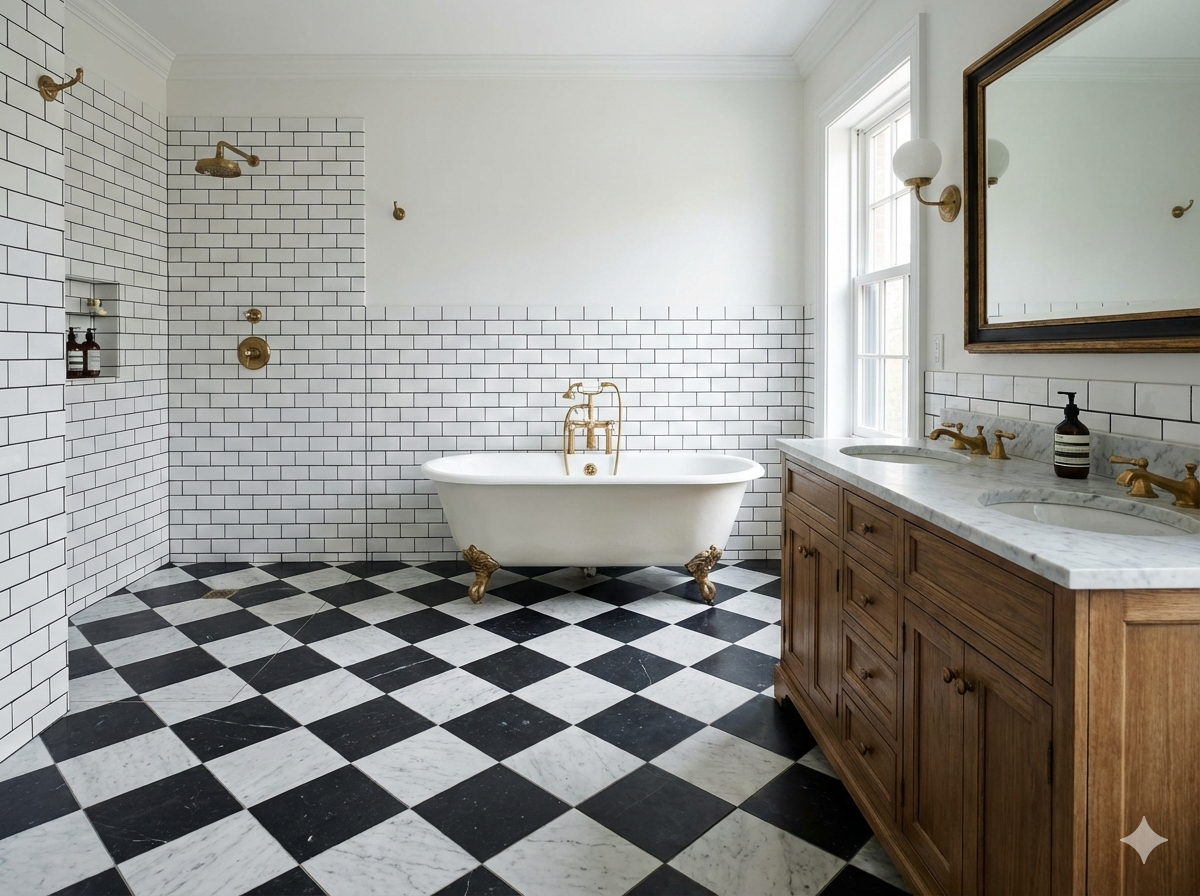
Checkerboard floor tile bathroom designs are surging in popularity for a reason: they combine visual punch with design flexibility, fitting classic and modern tastes. If you want your bathroom to look timeless, trendy, and truly unique, checkerboard tiles unlock possibilities—along with a few realities and caveats homeowners should know upfront.
Key Takeaways
- Checkerboard floor tile bathroom designs are back in style for 2024–2025, moving beyond just black and white into bold colored pairings and a range of natural materials.
- Porcelain checkerboard tiles are favored for high-traffic and high-moisture bathrooms, while natural stone options like marble and travertine offer luxury—with higher maintenance needs.
- Tile alignment, grout discoloration, and proper material selection are critical for long-term success and avoiding common pitfalls in checkerboard bathroom floors.
- What Is a Checkerboard Floor Tile Bathroom, and Why Is It Trending?
- How to Create a Checkerboard Floor Tile Bathroom: Step-by-Step Guide
- Advanced Analysis & Common Pitfalls
- Conclusion
- FAQ: Checkerboard Floor Tile Bathroom
What Is a Checkerboard Floor Tile Bathroom, and Why Is It Trending?
A checkerboard floor tile bathroom features a repeating pattern—traditionally alternating black and white tiles, but now expanding to grays, creams, marbles, and colorful pairings. The pattern visually anchors the room and makes even small bathrooms feel intentional and stylish.
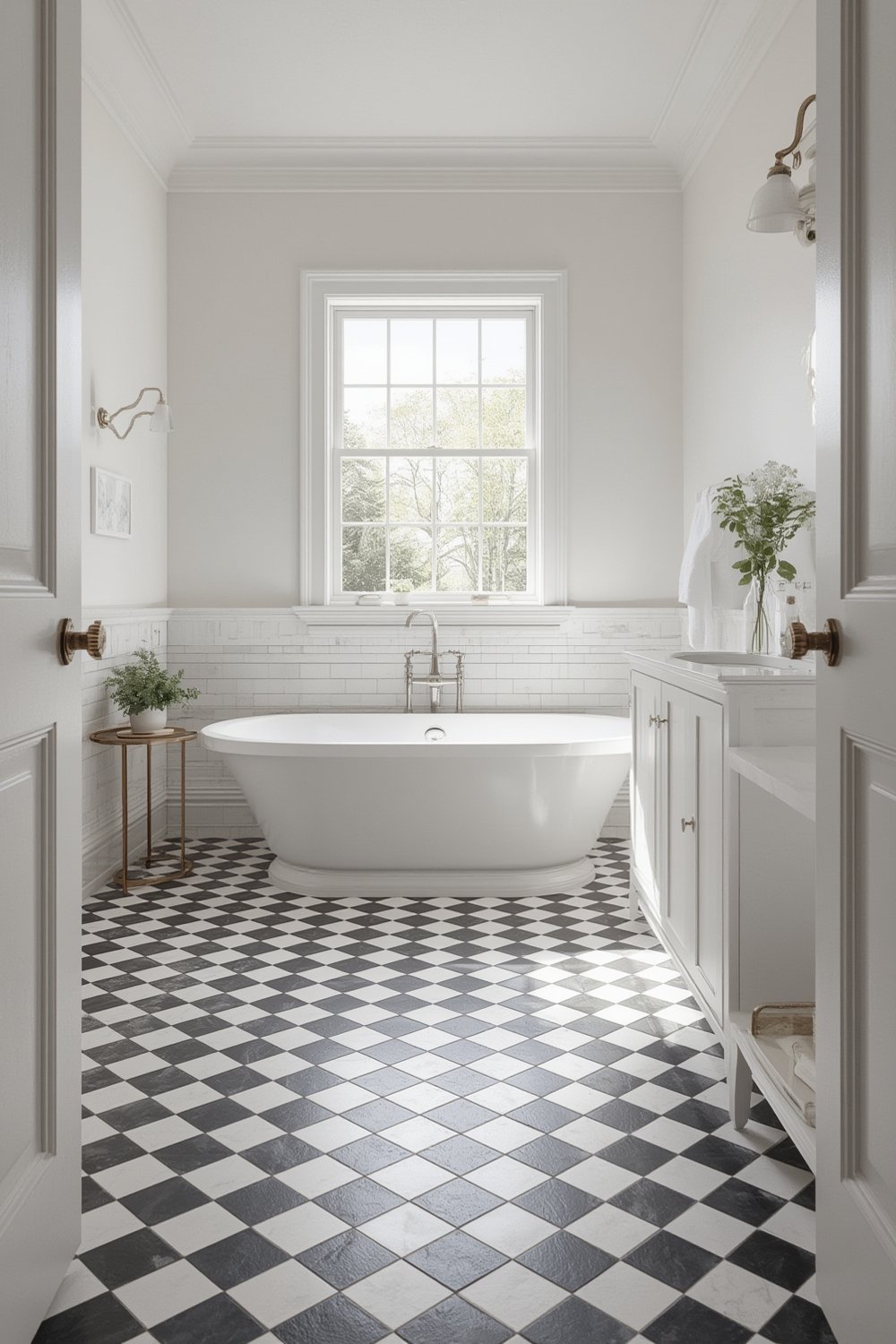
Tile manufacturers and designers agree: checkerboard bathroom floors made a “big comeback” in 2024 and are set to remain popular into 2025 and 2026. They stand out for:
- Timelessness: Classic black and white floors suit vintage, modern, and transitional styles equally well.
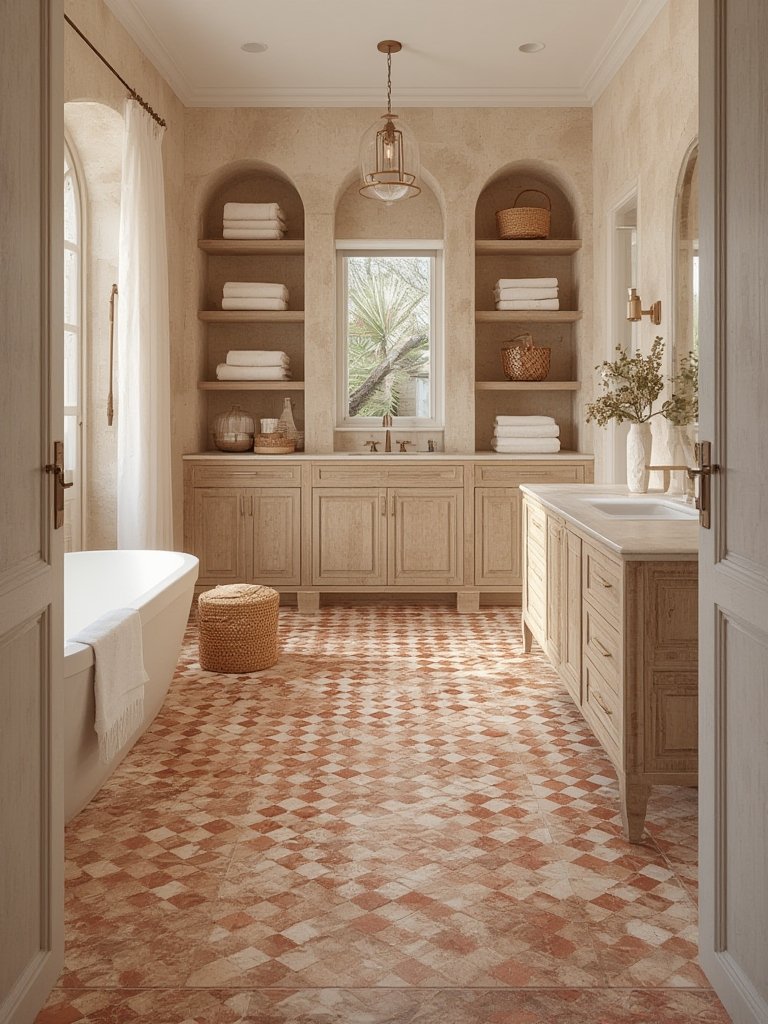
- Design Range: Alternatives like terracotta and cream limestone, red and white marble, or blue and sand work for Mediterranean, Parisian, coastal, or Scandinavian spaces.source
- Visual Impact: Whether paired with neutral or bold walls, checkerboard tiles instantly boost interest and perceived value.
Diversifying from the expected, homeowners are pairing checkerboard floors with features like bronze claw-foot tubs, arched niches, open shelving, and a mix of organic materials for depth and warmth. For bathroom remodelers or those tackling a home renovation, this is a safe way to introduce personality without sacrificing functionality.
How to Create a Checkerboard Floor Tile Bathroom: Step-by-Step Guide
Executing the perfect checkerboard floor tile bathroom takes planning and precision. Here’s how to get it right—whether you’re hiring a pro or DIY-ing.
- Choose Your Material: Decide between porcelain, ceramic, marble, limestone, or custom tile. For most high-moisture bathrooms, porcelain checkerboard tiles is the best blend of durability, water resistance, and maintenance.source
- Pattern & Color Selection: Balance tradition with personalization. Classic black and white never dates, but pairing terracotta with cream brings warmth and Mediterranean vibes. Sandstone and blue marble suit a beachy, coastal theme. Design experts at Country Floors spotlighted red marble for Scandinavian contrast.
- Layout Planning: Begin at the main entrance or focal wall. Dry-fit tiles to preview the pattern, adjusting as needed so cut tiles only land at less conspicuous edges. In small or awkward bathrooms, this makes a huge difference.
- Surface Prep: Level and clean the floor. Any dips or debris will show up as lippage or misalignment in the checkerboard pattern.
- Tile Installation: Apply thinset mortar and set tiles in your planned pattern, continuously checking alignment. Avoid rushing—checkerboard is totally unforgiving to mistakes. Use spacers for even grout lines (typically 1/8″ or 3mm).
- Grouting: Once tiles are set and cured, apply grout in a complementary color. For durability and easier cleaning, choose high-performance, stain-resistant grout—especially important in a bathroom.
- Seal If Needed: For natural stone like marble or limestone, apply a penetrating sealer after grout cures for protection from moisture, stains, and soap residue.
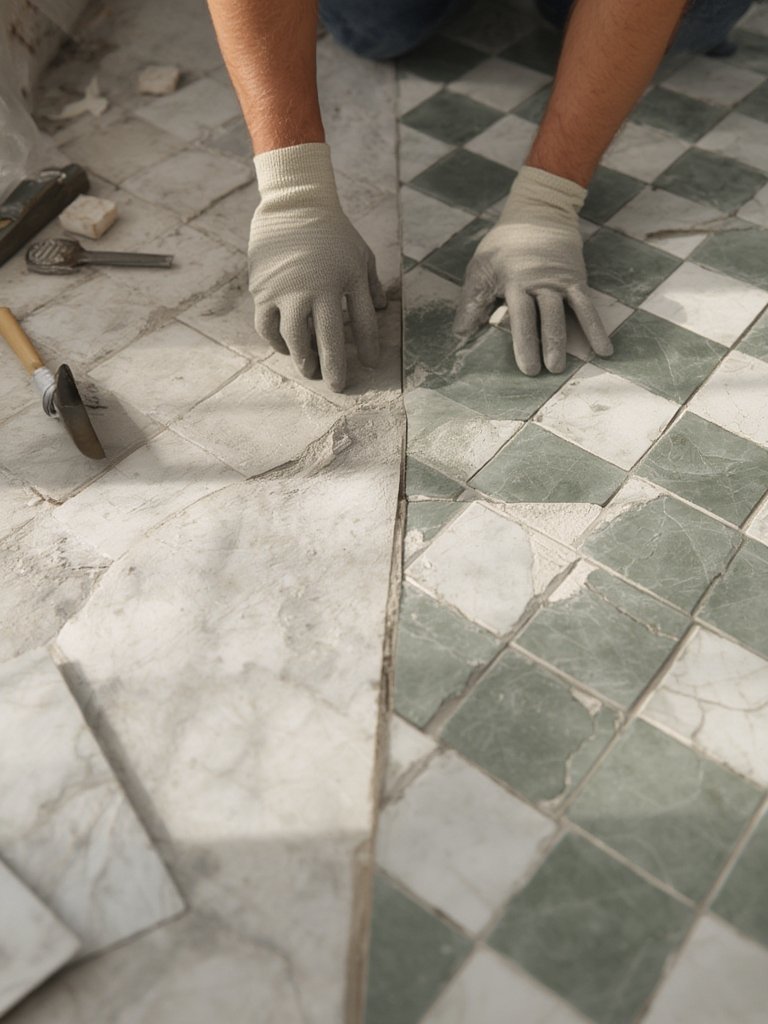
For small bathrooms or powder rooms, opt for 12×12-inch porcelain tiles for a sharper look. Larger bathrooms can handle bolder 24×24-inch tiles for drama and minimal grout lines.
If you’re a renter or want a temporary solution, see our guide to peel and stick floor tiles to get the checkerboard effect on a budget—with easy removal.
Advanced Analysis & Common Pitfalls
Checkerboard floor tile bathroom projects deliver major impact—but only if executed carefully. Here’s what research and design experts reveal (and what most style blogs leave out):
- Tile Alignment: Even tiny misalignments are glaringly obvious with checkerboard designs. Double-check your layout, corners, and use professional tile spacers.
- Material Matters: Porcelain tiles excel in wet, high-traffic bathrooms. Natural stone styles like marble, travertine, or limestone bring luxury but need sealing and regular upkeep. Ceramic is best reserved for low-traffic spaces or walls due to softness.
- Grout Staining & Discoloration: High-contrast grout can quickly show dirt and mildew, especially in bathrooms. Invest in stain-resistant grout and commit to regular cleaning.
- Slipperiness: Honed marble or glazed ceramic can be slippery when wet. Opt for matte or textured finishes for safety—especially for families or older homeowners.
- Cost Surprises: While exact figures for 2024 aren’t universally published, natural stone checkerboard floors run noticeably higher for both materials and professional installation. Porcelain offers a better ROI for performance per dollar.
| Material | Durability | Water Resistance | Maintenance | Where Best Used |
|---|---|---|---|---|
| Porcelain | Excellent | Excellent | Low | All bathrooms, laundry, entryways |
| Marble (Honed/Polished) | Good | Needs sealing | High (seal, clean gently) | Luxury baths, powder rooms |
| Travertine/Limestone | Good | Needs sealing | High | Mediterranean, mid-century |
| Ceramic | Fair | Fair to good | Low | Powsder rooms, walls |
If you want spa-like comfort, pair your checkerboard floor with a heated underlayment—see our spa bathroom design guide.
Choose reputable brands like Edward Martin for porcelain, or Country Floors and Marble & Tile USA for authentic marble, travertine, or limestone collections. Note that published results do not specify standard warranties, so always verify vendor policies before purchase.source
Conclusion
A checkerboard floor tile bathroom is a practical luxury that transforms the feel of even the smallest spaces. The pattern wins on versatility, timelessness, and the ability to blend with nearly any design style—from minimalist to lavishly Mediterranean. Remember: material selection, precision installation, and realistic maintenance expectations are everything. Start with high-quality porcelain or sealed stone, map your layout, and don’t rush alignment or grouting. If you’re inspired to bring classic style home, explore further tips in our DIY home renovation budget guide or find low-commitment ideas at renter-friendly home upgrades. Now is the ideal time to start your checkerboard floor tile bathroom project—bring your vision to life and boost your home’s style and value!
FAQ: Checkerboard Floor Tile Bathroom
Are checkerboard bathroom floors hard to clean?
Checkerboard floor tile bathroom are as easy to clean as any smooth tile. Porcelain and sealed marble resist stains, but be aware that high-contrast grout lines can show dirt more easily and may require regular scrubbing to avoid discoloration.
Is black and white the only combination that works for checkerboard tiles?
No. While black and white is the classic, modern checkerboard floors are trending in colored marble, terracotta and cream, blue and sandstone, and even red marble for Scandinavian-inspired looks.
Can I install checkerboard tile floors myself?
Yes, experienced DIYers can install checkerboard floors. Meticulous planning, surface preparation, and alignment are essential. Consider hiring a professional if your bathroom has angles or requires many tile cuts.
What’s the best material for high-traffic, wet bathrooms?
Porcelain tile is highly recommended for its superior durability and water resistance. Natural stone like marble and travertine is beautiful in primary or guest baths, but requires annual sealing and gentle cleaning.
Can I use peel-and-stick tiles for a temporary checkerboard look?
Yes. Peel-and-stick tiles provide a renter-friendly option for checkerboard floors, but may not withstand heavy moisture or foot traffic like traditional porcelain or stone. They’re great for quick makeovers.