


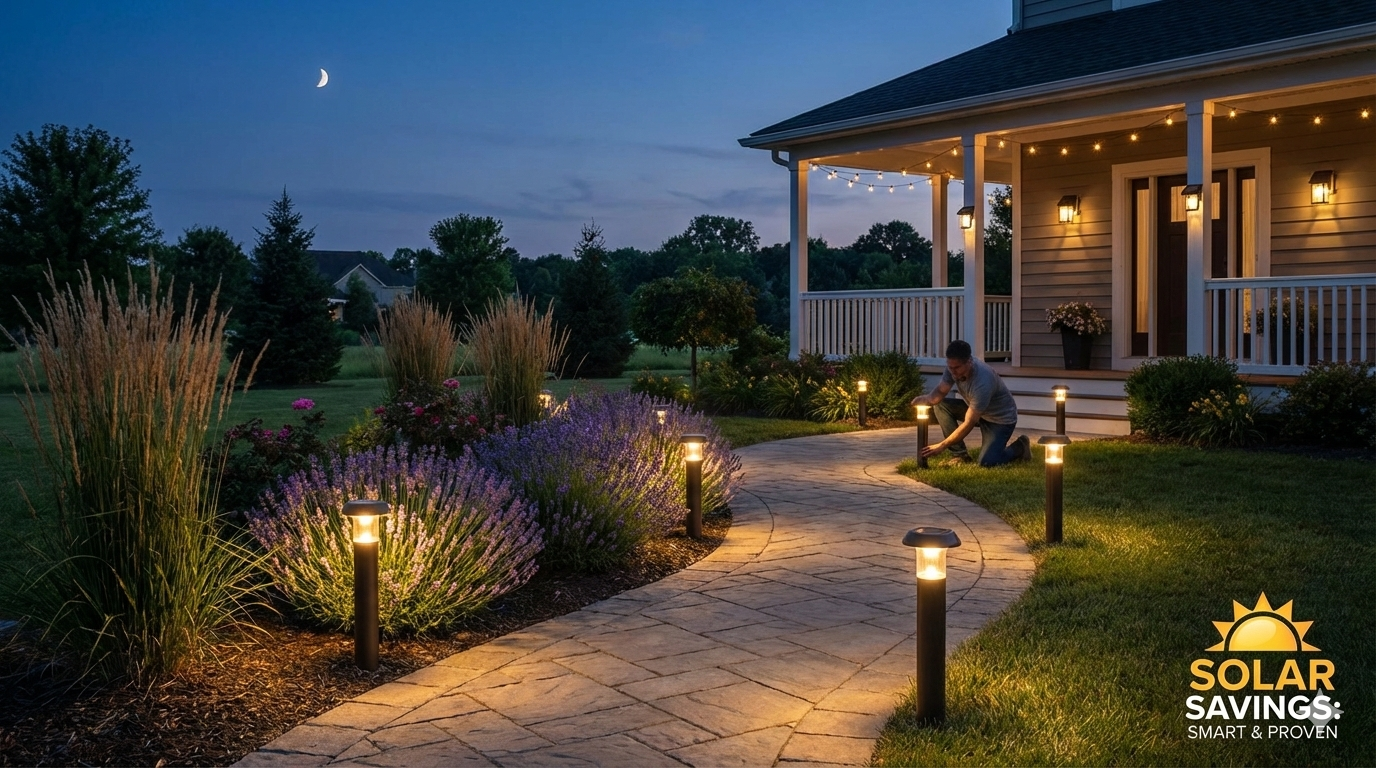
Outdoor solar lights have become one of the smartest upgrades for energy-saving and maintenance-free exterior lighting in 2024. With rapid growth in the market and more options than ever, homeowners are asking: Are outdoor solar lights really worth it for long-term savings and hassle-free performance, or will hidden pitfalls cost you later on? This guide delivers realistic answers, real numbers, and proven strategies—so you can decide with total confidence.
Key Takeaways
- Outdoor solar lights are growing rapidly in demand, with market value expected to quadruple by 2030—thanks to better technology and strong government incentives.
- They offer genuine long-term cost savings and easier installation, but higher upfront costs and climate durability issues can catch buyers off guard.
- Not all solar lighting is equal—knowing what tech details and installation mistakes to avoid helps guarantee better lighting performance and reliable operation.
- The Core Concept: Why Outdoor Solar Lights?
- Step-by-Step Guide: Installing & Optimizing Outdoor Solar Lights
- Advanced Analysis & Common Pitfalls
- Conclusion: Is It Worth It?
- Frequently Asked Questions
The Core Concept: Why Outdoor Solar Lights?
Outdoor solar lights use solar panels to convert sunlight into electricity, powering LED fixtures for illuminating gardens, walkways, driveways, or security zones—without wiring or an electricity bill. The core idea is simple: capture free energy, reduce outdoor lighting costs, and eliminate the need for trenches, grid connections, or ongoing maintenance that traditional lighting demands.
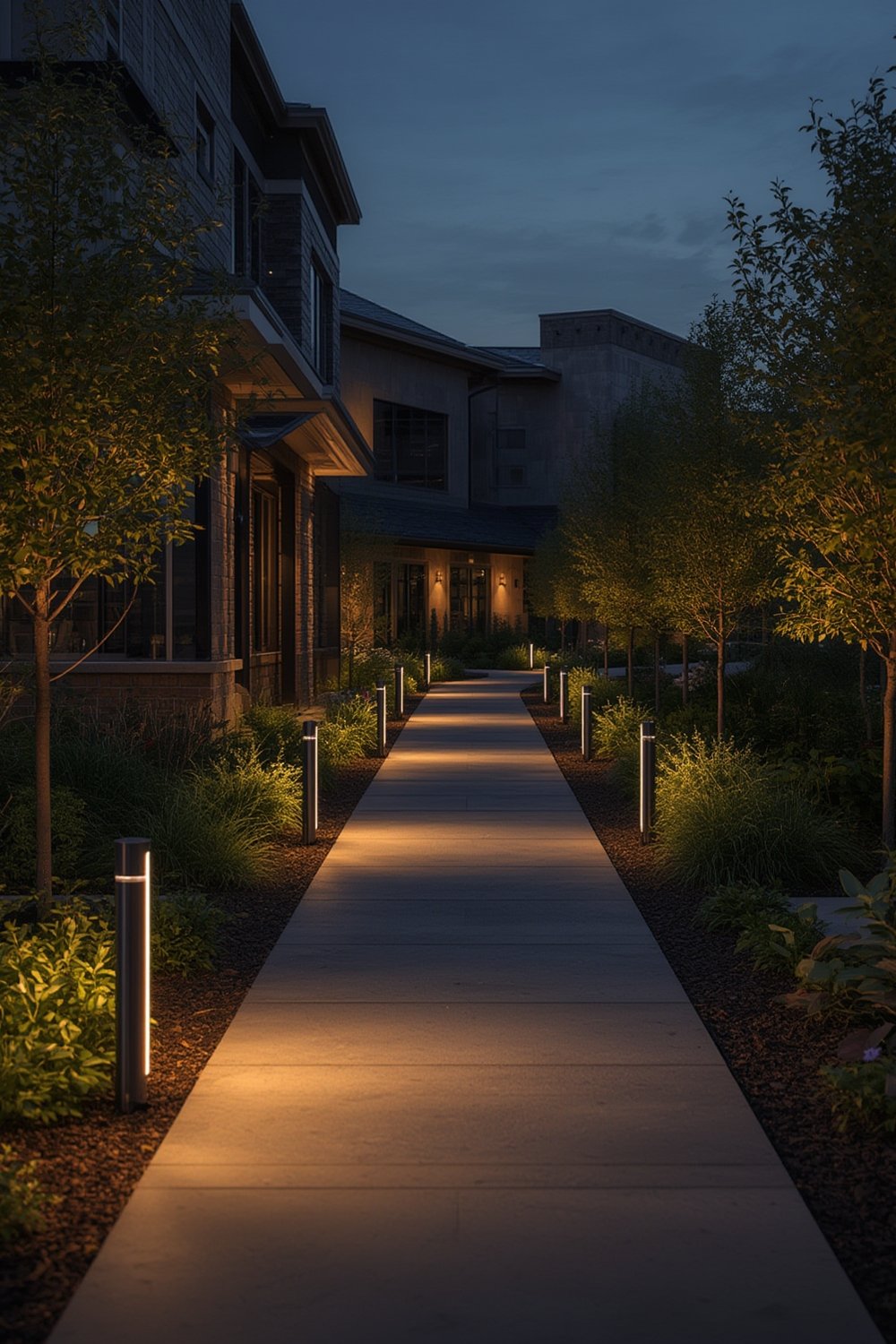
In 2024, the global outdoor solar LED market reached USD 9.82 billion, with the fastest growth seen in solar garden lights. Leading regions like Asia Pacific capture nearly half the market, due in large part to robust government incentives and the rising costs of electricity. As component prices—especially batteries and high-efficiency LEDs—continue to drop, solar options have closed the gap with wired systems for both homeowners and cities.
Switching to solar is a natural fit for hassle-free landscape upgrades, boosting home value, and supporting sustainability. Plus, modern designs look as polished as any wired alternative. Looking to maximize your property value and curb appeal as well? Consider integrating your solar upgrades with outdoor living space enhancements for best results.
Step-by-Step Guide: Installing & Optimizing Outdoor Solar Lights
Ready to make the move? Here’s exactly how to plan, install, and maintain your outdoor solar lights for reliable, long-lasting performance:
- Assess Your Site & Lighting Goals.
- Walk your property at dusk to see which zones truly need lighting—security, pathways, landscaping, entertainment areas, or garage access?
- Mark spots with sufficient daily sun exposure, avoiding zones under thick tree cover or north-facing walls.
- Read about pairing solar lighting with other smart lighting systems for indoor/outdoor continuity.
- Choose the Right Type of Solar Lights.
- For basic paths: stake lights or low-profile bollards.
- For security: motion-sensor solar flood lights (look for “weather-sealed” and high lumen models).
- For ambiance: adjustable solar spotlights or color-changing garden lights.
- Compare features and focus on reviews mentioning battery performance and easy replacements.
- Prep the Ground & Mounting Points.
- Remove debris or mulch; for hard ground, pre-soak with water and use a small digging tool to insert stakes.
- For wall or fence-mounted lights, double-check that mounting kits are included—cheap fixtures often skip solid hardware.
- Install & Orient Panels for Maximum Sun.
- Face panels due south if possible; clean panels off any dust or pollen that may have accumulated in storage or packaging. Avoid installation under eaves or gutters prone to dripping.
- Use a compass app for accuracy.
- Test, Adjust, and Monitor Over Several Days.
- Let batteries fully charge (usually 1 or 2 sunny days), then observe performance at night and tweak positioning as needed.
- If performance is inconsistent, troubleshoot for shade or debris and swap in replaceable and brand-name batteries if available.
- Check timers, dusk-to-dawn sensors, and motion detector range—adjust if required for maximum utility.
- Maintain with Seasonal Cleaning.
- Wipe panels every 4-6 weeks to remove pollen, dust, or snow (in colder regions).
- Replace rechargeable batteries every 2-4 years for peak runtime.
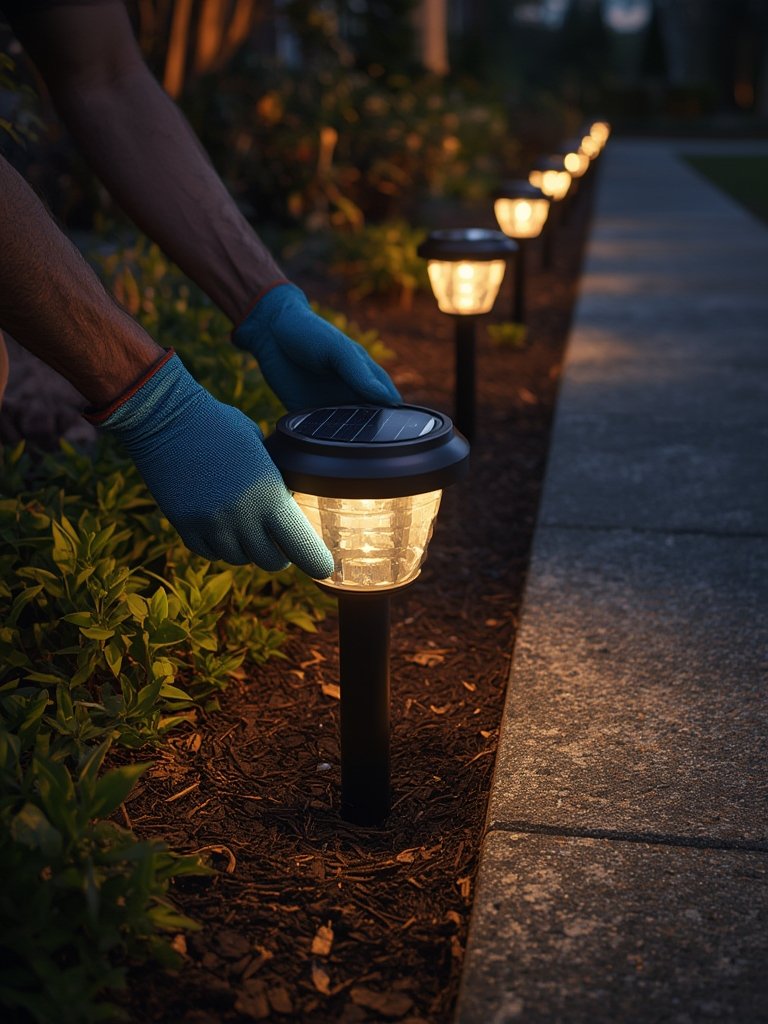
Looking for more budget ideas? Pair your outdoor solar setup with DIY home renovation strategies or energy efficient home upgrades to stack savings, especially with federal rebates and financing now available for sustainability-focused projects.
Advanced Analysis & Common Pitfalls
While modern outdoor solar lights have improved tremendously, some real-world issues still catch buyers off guard. Not every claim on the box holds up after months in challenging weather, and not all outdoor areas are solar-friendly. Here’s what to watch out for:
- High Upfront Costs: Despite much lower operating expenses, solar still carries a higher initial price tag compared to cheap wired kits—especially for larger yards or security lighting. Factor in the entire system, not just per-light cost.
- Performance Drops in Poor Weather: Overcast winters or very shaded properties may see reduced brightness and shorter lighting duration.
- Battery Lifespan: Cheaper models can have unreliable batteries that degrade rapidly, leading to performance drops by year two. Opt for replaceable and brand-name batteries.
- Hardware & Mounting Issues: Not all lights include robust stakes or proper waterproofing. Users often complain about shattered stakes or unreliable seals in wet climates.
- No Real Data on Failure Rates: Published studies and reviews lack hard numbers on how these lights hold up in extreme cold, heat, or persistent damp. Be wary of low-cost sets if you live in an area with harsh seasons.
- Lack of Technical Comparisons: Unlike smart home lighting systems, there is little public data comparing detection range, lifespan, or motion sensor sensitivity among brands.
| Feature | Outdoor Solar Lights | Wired Outdoor Lights |
|---|---|---|
| Installation Cost | Low–Medium ((no trenching or electricians)) | Medium–High (pro labor, wiring, trenching) |
| Maintenance | Low (clean panels, replace batteries) | Medium (bulb changes, wire repairs) |
| Operating Cost | $0 (off-grid) | Ongoing electricity cost |
| Brightness Control | Moderate (depends on sun, models) | High (full control via grid power) |
| Reliability in Bad Weather | Variable (cloudy, snowy spells reduce runtime) | Consistent |
| Grid Independence | Yes | No |
| Initial Investment | Higher per unit, recouped over time | Lower upfront but more expensive over years |
| Government Incentives | Often available | Rare |
Be sure to review local incentives—municipalities across the U.S. and Asia Pacific are offering new rebates, tax credits, and solar light upgrade programs. Municipal and regulatory projects continue to displace grid-powered streetlights in favor of PV modules, as reported by multiple market leaders. Review the latest info or speak to your contractor about available incentives. If you’re reorganizing your outdoor wiring, you may also want to review this complete renovation guide to coordinate upgrades and financing.
Conclusion: Is It Worth It?
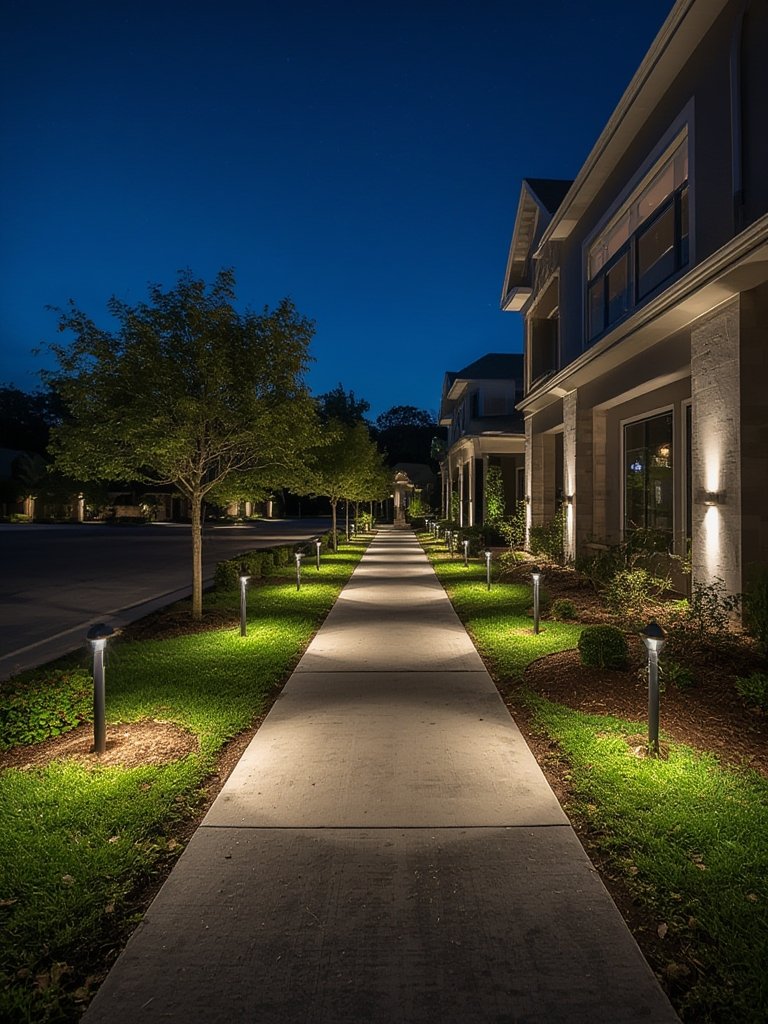
For most homeowners, outdoor solar lights are a smart, future-focused upgrade—delivering real savings, easy DIY setup, and grid independence. Yet, they carry higher upfront costs and aren’t perfect in every situation, especially in dense shade or harsh climates. Take advantage of current incentives and rebates, look for reliable batteries, and optimize placement for consistent sunlight. Combine these moves with overall energy efficient home upgrades or smart electric systems to boost your home’s value and sustainability. In 2024 and beyond, outdoor solar lights give you more control over your lighting, budget, and environmental impact than ever before. Ready to make the switch? Start by mapping your ideal lighting plan and checking local incentives today.
Frequently Asked Questions
How long do outdoor solar lights typically last?
Most quality outdoor solar lights last 2–5 years before batteries need replacement and 5+ years for the LED fixtures themselves. Longevity depends on battery type, exposure, and how often you maintain the panels.
Can I use outdoor solar lights in areas with little sun?
It’s possible, but efficiency drops in shaded or cloudy areas. Consider installing separate solar panels in sunnier spots, then connecting them to your lights with an extension kit for better performance.
Are outdoor solar lights as bright as wired options?
Solar lights have improved, but may still produce less light compared to hardwired options. For security or task lighting, pick models with high lumens and reputable battery specs.
What kind of maintenance do solar lights require?
Maintenance is mostly limited to cleaning panels every month or so and replacing batteries every 2–4 years. Ensure fixtures are weather-sealed to avoid water damage over time.
Do government incentives apply to all solar lighting upgrades?
Incentives and rebates vary by location and project size. Many municipalities offer deals for large installations or major upgrades—always check with your local building authority before starting.